In some of Asia’s busiest cities, streets pulse with energy, markets brim with fresh produce and kitchens fire up long before most visitors are awake. For travelers and locals alike, these places can feel overwhelming — but it’s precisely that density of people, culture and flavor that makes eating here unforgettable.
Generations of cooks work alongside contemporary chefs, regional ingredients take center stage and street food rubs shoulders with fine dining. MICHELIN Guide Inspectors see traditions evolving in real time, with everyday meals celebrated as much as tasting menus, and craft valued above fleeting trends. From bustling market stalls to quiet modern restaurants, from family-run noodle shops to meticulously curated tasting menus, these cities offer food experiences that reward curiosity and attention to detail.
We explore nine such capitals — from Seoul’s dish-driven streets to Manila’s growing culinary confidence — places that stand out not just for size or variety, but for momentum. Here, talent, tradition and innovation collide in ways that make every meal an invitation to explore, return and taste again.
1. Seoul: Where Individual Dishes Define the City
While South Korea’s global cultural exports — from K-pop to K-dramas — have helped turn Seoul into one of the world’s most visited cities, the dining culture here is shaped by a far deeper history. Stretching back more than 2,000 years, Seoul embraces contrast: historic and hypermodern, deeply traditional and outward-looking, affordable and extravagant. Home to approximately 9.6 million people across its metropolitan area, the capital sprawls over 233 square miles, divided by the Han River and organized into 25 districts, each with its own rhythm.
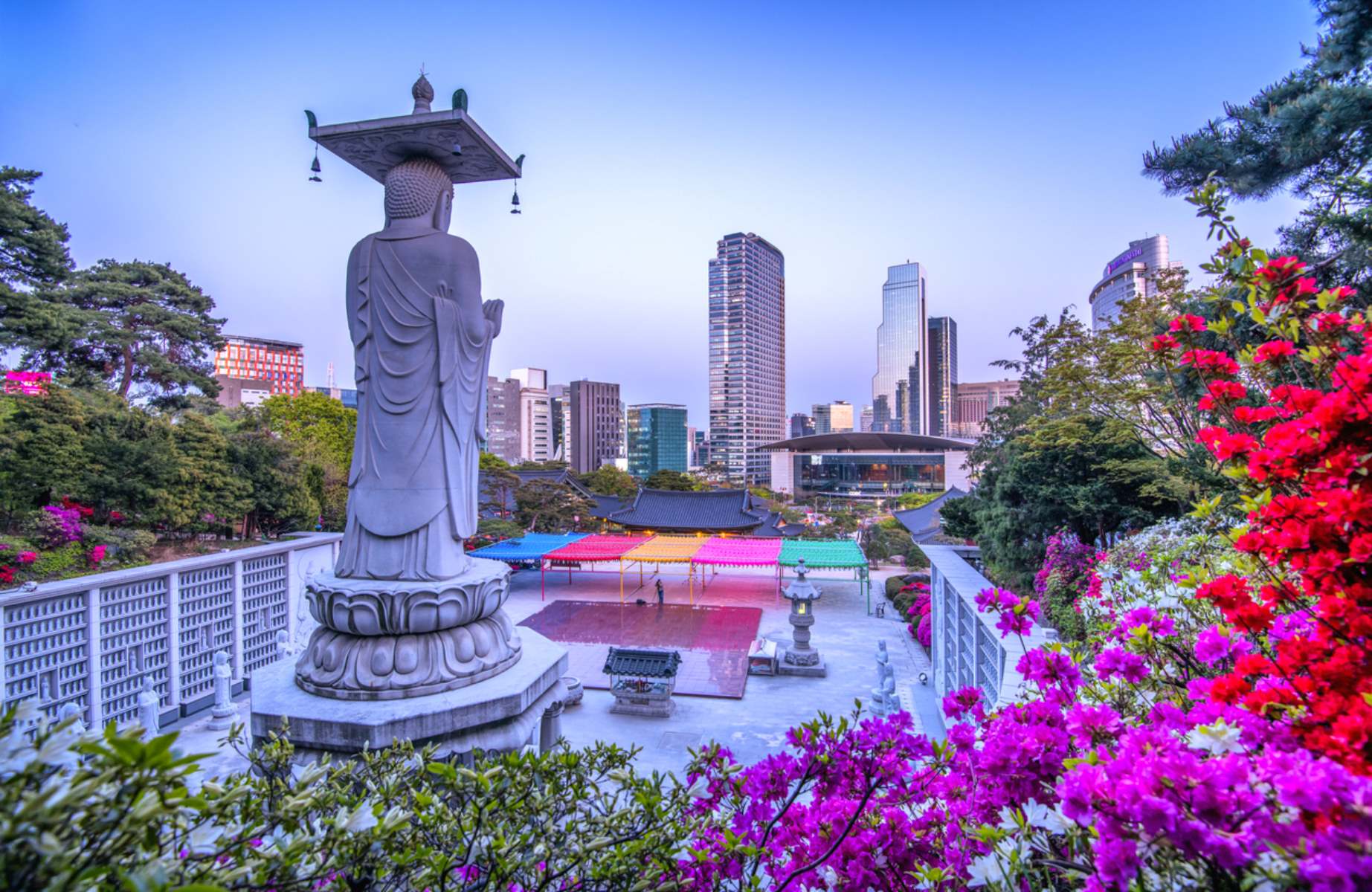
Seoul is one of Asia’s most exacting food capitals. Rather than organizing itself around a single national identity, it is defined by individual dishes and long-established specialties — gomtang (clear beef broth soup), gejang (raw fermented crab) and the many expressions of jang (fermented pastes and sauces) that structure daily cooking. Since The MICHELIN Guide Seoul debuted in 2016, Inspectors have consistently noted how this specificity anchors both traditional restaurants and contemporary kitchens.
The elevation of Mingles to Three MICHELIN Stars marks a milestone for modern Korean cuisine, recognizing a style that refines foundational flavors without distancing them from their origins. Seoul’s openness to outside influences is equally visible: Escondido became Asia’s first MICHELIN-Starred Mexican restaurant, while Légume was awarded the region’s first MICHELIN Star for vegan cuisine. With one of Asia’s strongest Bib Gourmand selections — dominated by affordable restaurants focused on single dishes — Seoul offers travelers an unusually complete picture of Korean dining, from everyday meals to ambitious reinterpretations.
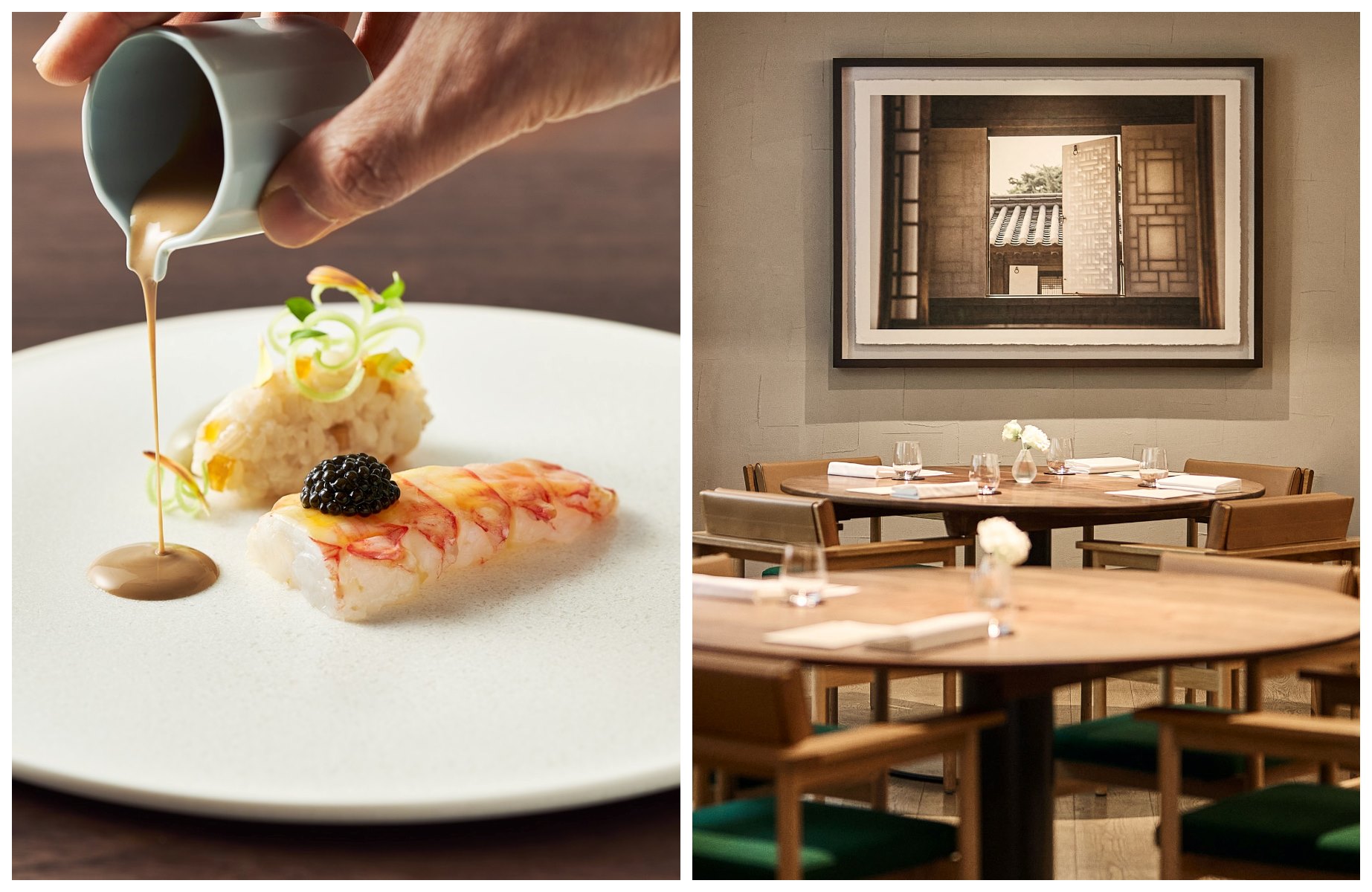
Traveler cues: Base yourself in Jongno or Euljiro for traditional soup houses, markets and Bib Gourmand favorites; head to Cheongdam-dong for contemporary fine dining. Reserve Mingles and Légume at least a month ahead. Spring and autumn bring peak seasonal produce and comfortable exploring weather.
2. Taipei: Where Local Ingredients Transform Global Cuisines
Often overlooked by first-time Asia travelers, Taipei offers a rare balance of metropolitan modernity and natural setting. Framed by green hills and mountains, the city moves easily between dense urban neighborhoods and hiking trails like Elephant Mountain. Japanese influence from the colonial era as well as different generations of immigrants shape its architecture and dining culture, while glass towers, late-night cafés and a busy nightlife give it a distinctly contemporary edge.
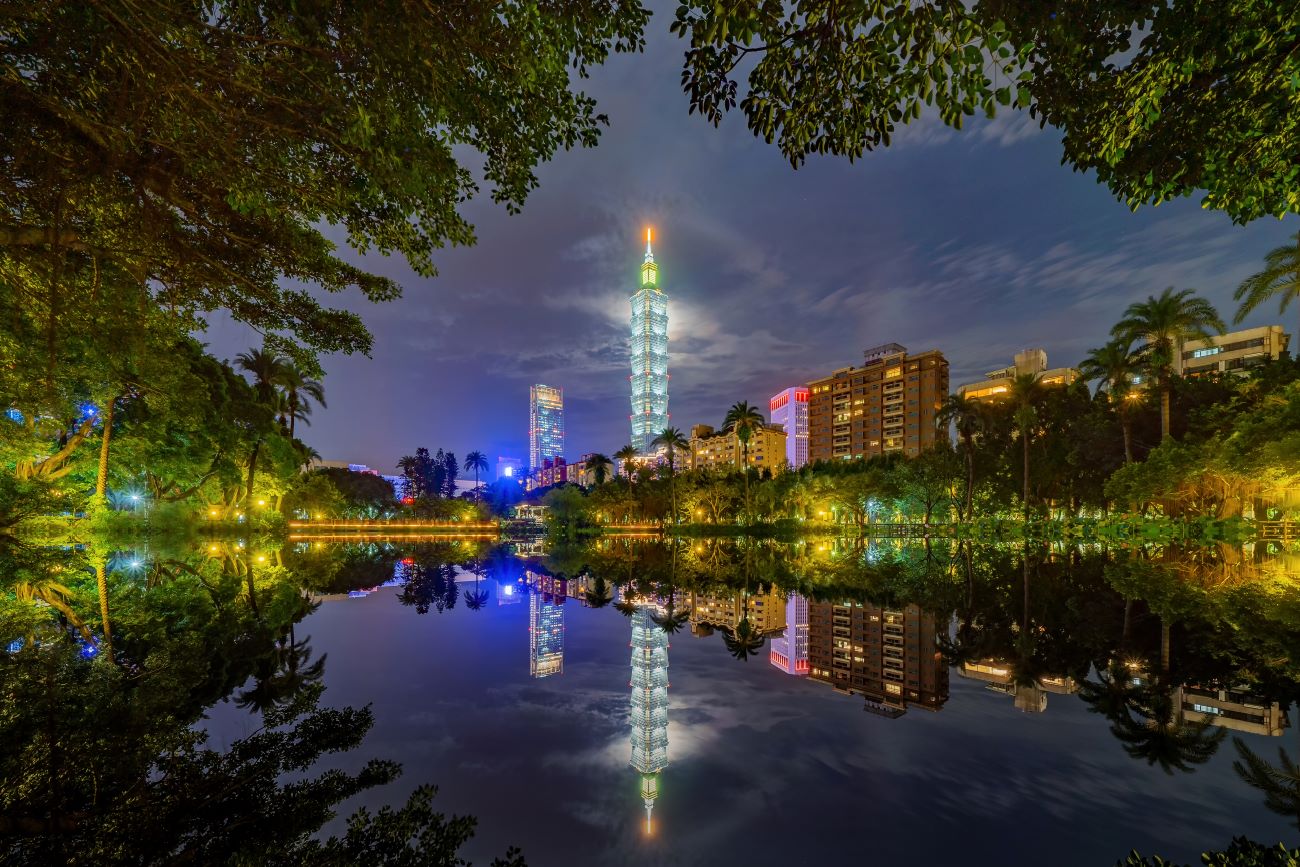
In Taipei, fine dining does not exist apart from daily eating. Beef noodles, braised pork rice, gua bao, stinky tofu and milk tea remain essential reference points, shaping how chefs think about flavor even in the city’s most formal restaurants. Food here is a daily pursuit, carried from street stalls and night markets into contemporary dining rooms.
Recent MICHELIN selections show how international cuisines are being reworked through Taiwanese ingredients and flavor profiles. Newly awarded Two-Starred Eika reflects this approach. After more than a decade in Taiwan, Chef Ryohei Hieda now cooks a distinctly local form of Japanese cuisine, incorporating elements such as fermented tofu and soy milk into tightly composed menus. At One-Starred ZEA, Taitung avocado appears alongside Mexican mole, while Yilan red shrimp is paired with árbol chiles — combinations that illustrate how Taipei absorbs global techniques and reshapes them through local produce.
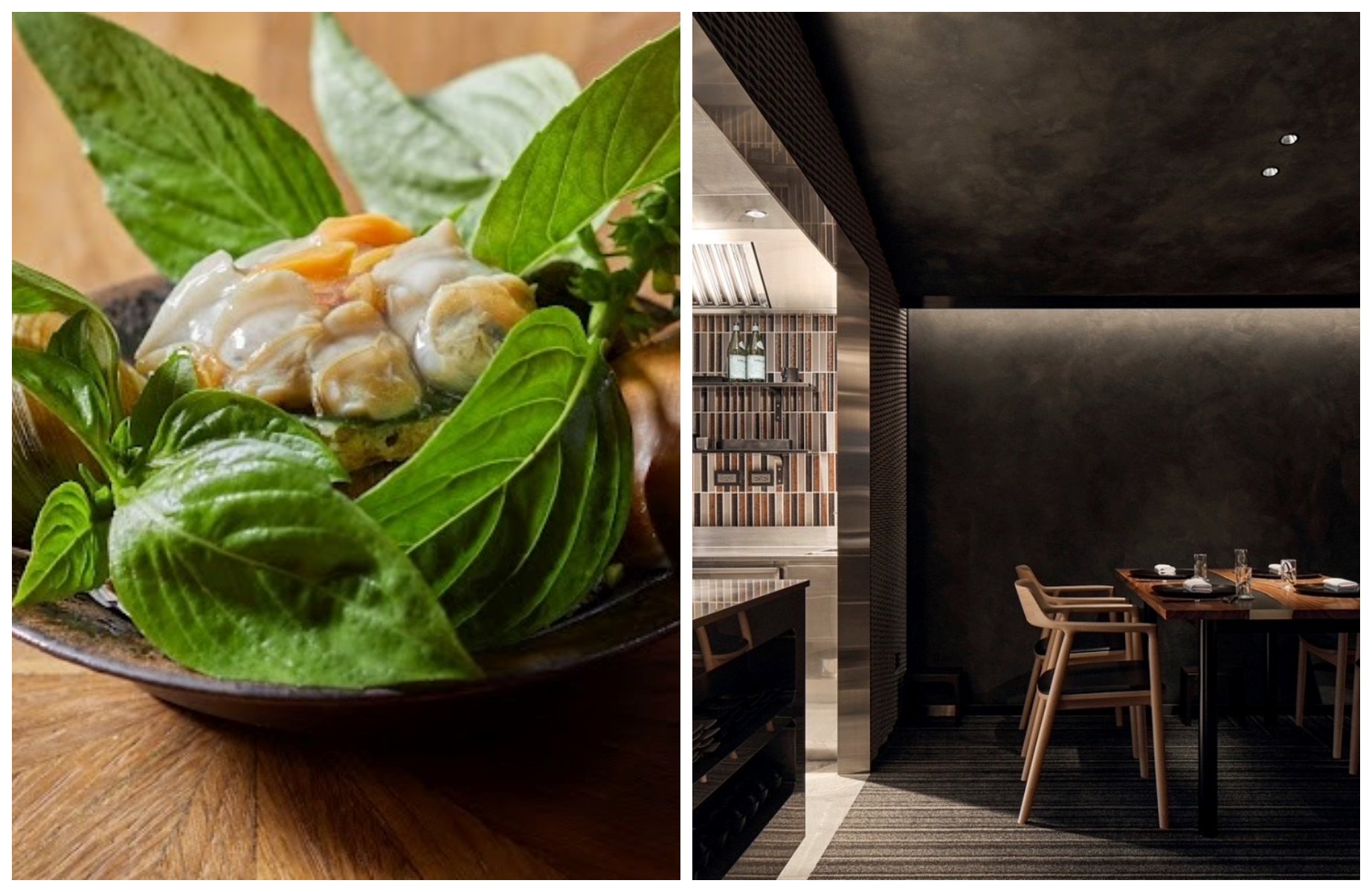
Traveler cues: Zhongshan and Da’an concentrate most MICHELIN-listed restaurants, while Shilin and Raohe night markets provide essential context for everyday eating. Reserve Eika several weeks ahead. Late autumn is ideal for seafood and mountain vegetables, with cooler evenings for exploring on foot.
3. Hong Kong: Where Cantonese Classics Meet Global Ambition
It’s hard to talk about Hong Kong without slipping into clichés, but they exist for a reason. This is a city where East meets West and old meets new, where ancient temples sit alongside soaring skyscrapers and where stunning harbors and countryside are within a short trip from hip eateries and bustling markets. That unique mix is exactly what makes Hong Kong a sensational culinary and travel destination.

The dining scene is as dynamic and diverse as the city itself. From rowdy dim sum halls to MICHELIN-Starred temples of refinement, every restaurant tells a Hong Kong story. Classic Cantonese dishes — roast goose, wonton noodles and char siu — remain central to daily life, while chefs reinterpret these flavors for contemporary audiences. Hong Kong also showcases regional Chinese traditions at restaurants such as Yong Fu (Ningbo), Liu Yuan Pavilion (Shanghainese) and The Legacy House (Shun Tak). Modern innovation is equally visible: Newly promoted Three-Starred Amber is internationally recognized for its dairy-free French cuisine, while global chefs use the city as a platform to blend local and international influences.
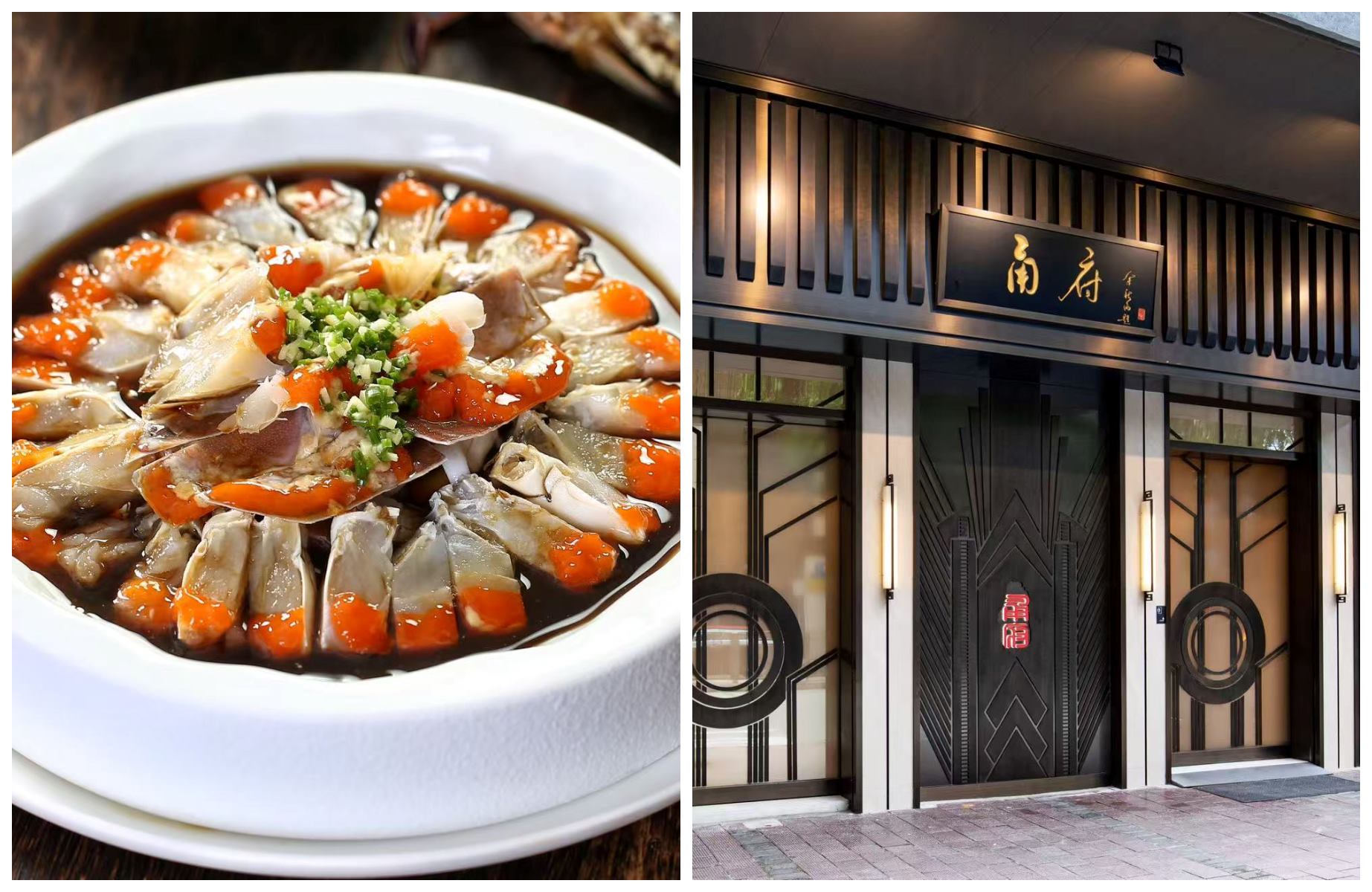
Traveler cues: Central and Wan Chai provide easy access to top-tier dining; Sham Shui Po is a hub for Bib Gourmand street food. Reserve Three-Star restaurants one to two months ahead. Cooler months from October to March are ideal for roast meats, seafood and exploring the city’s vibrant culinary neighborhoods.
4. Manila: Where Memory and Neighborhood Shape Every Meal
The Philippine capital is a city shaped by resilience. Battered by typhoons and marked by periods of conflict, Manila has grown into a vast Asian metropolis with a medieval Spanish walled district, Intramuros, at its core. It is chaotic in places, refined in others and still carries traces of old-world glamour alongside its more frenetic edges.
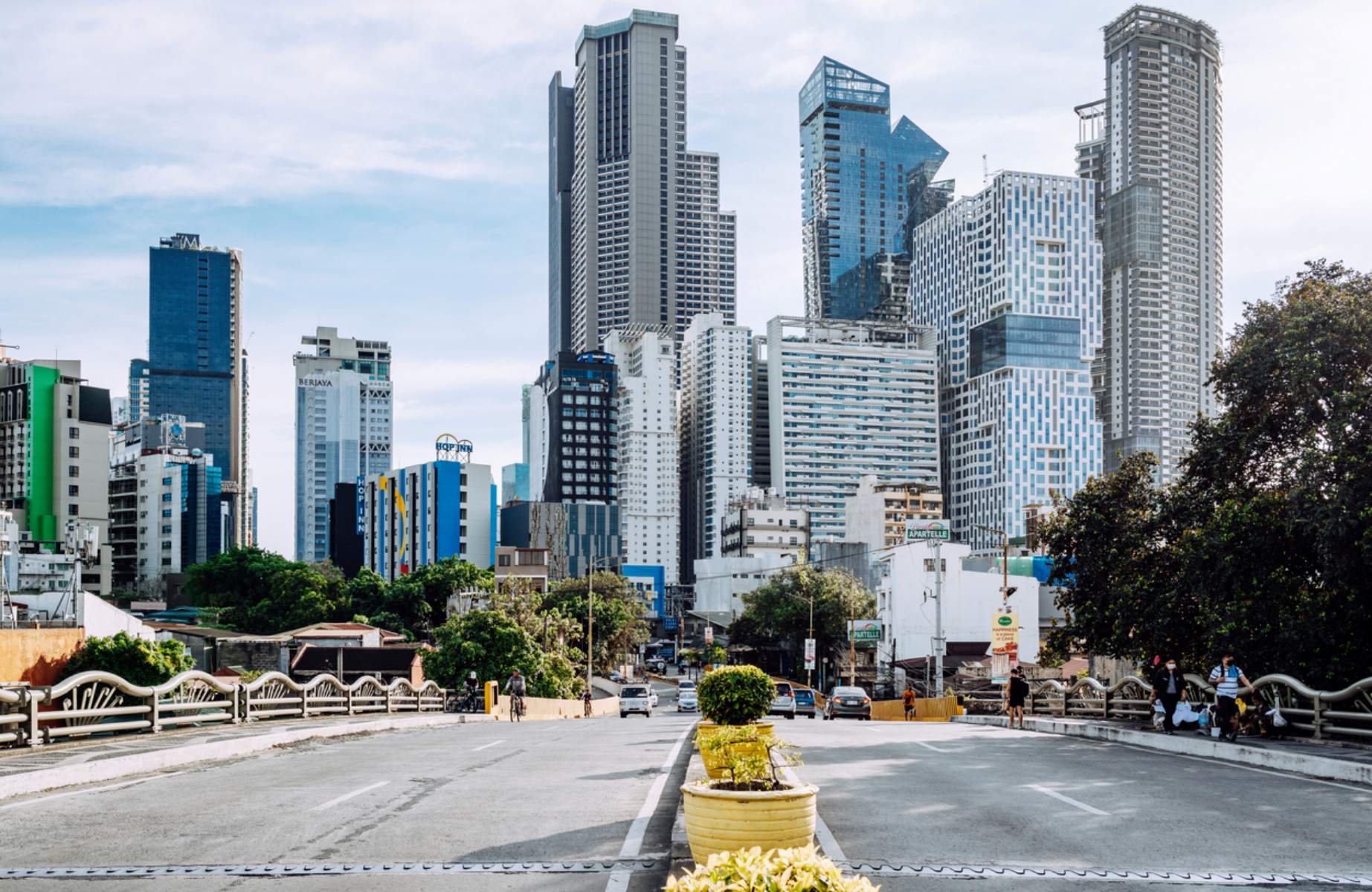
Manila’s arrival in The MICHELIN Guide signals a shift toward cooking that prioritizes continuity over explanation. Rather than framing Philippine cuisine for outside audiences, many of the city’s most compelling restaurants now draw directly from family traditions and regional practices.
Inspectors observe younger chefs working closely with memory: broths prepared slowly, sourness adjusted by instinct and menus built around familiar flavors. Technique supports dishes intentionally, allowing flavors shaped by home cooking to take the lead. For visitors, Manila rewards time and movement. The strongest meals come from following neighborhoods rather than reservations, sharing food over long lunches and late dinners. Restaurants such as Linamnam, Manam at the Triangle and Morning Star Eatery reflect this grounded approach.
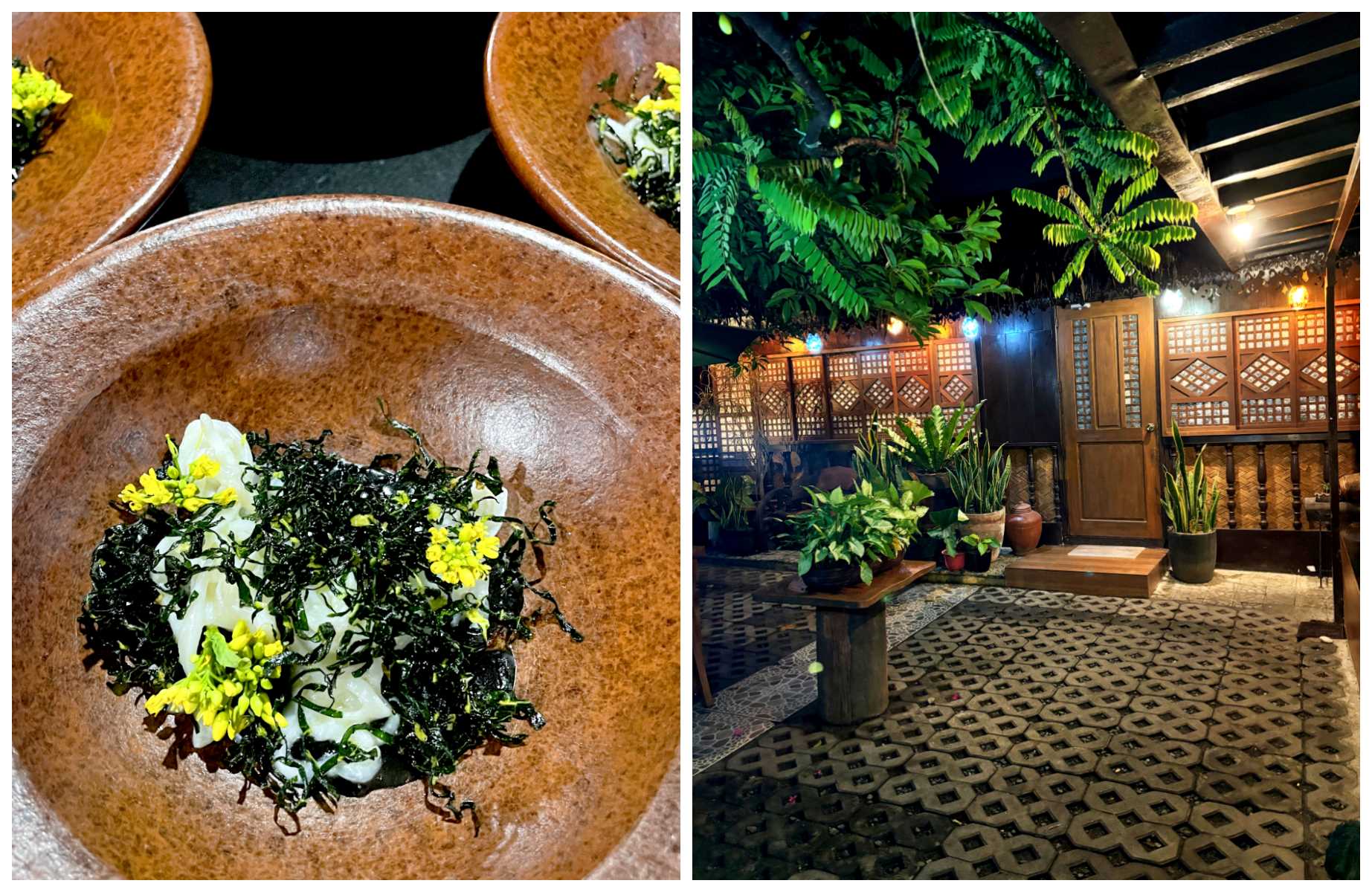
Traveler cues: Makati and Quezon City anchor most MICHELIN listings. Reserve Linamnam ahead on weekends; Manam is more accommodating for walk-ins. April to June yields the year’s best harvest for tropical fruits.
5. Singapore: Where Hawker Precision Meets Fine-Dining Sophistication
Singapore’s culinary identity reflects its cultural diversity: Nearly 100 ethnic groups occupy 284.3 square miles, shaping a food scene that traverses wok-fired hawker dishes, bowls of noodles, and French, Italian or Japanese creations made with local ingredients. Both casual and formal meals reflect the same attention to quality, making the city a rare place where everyday and fine dining coexist seamlessly.
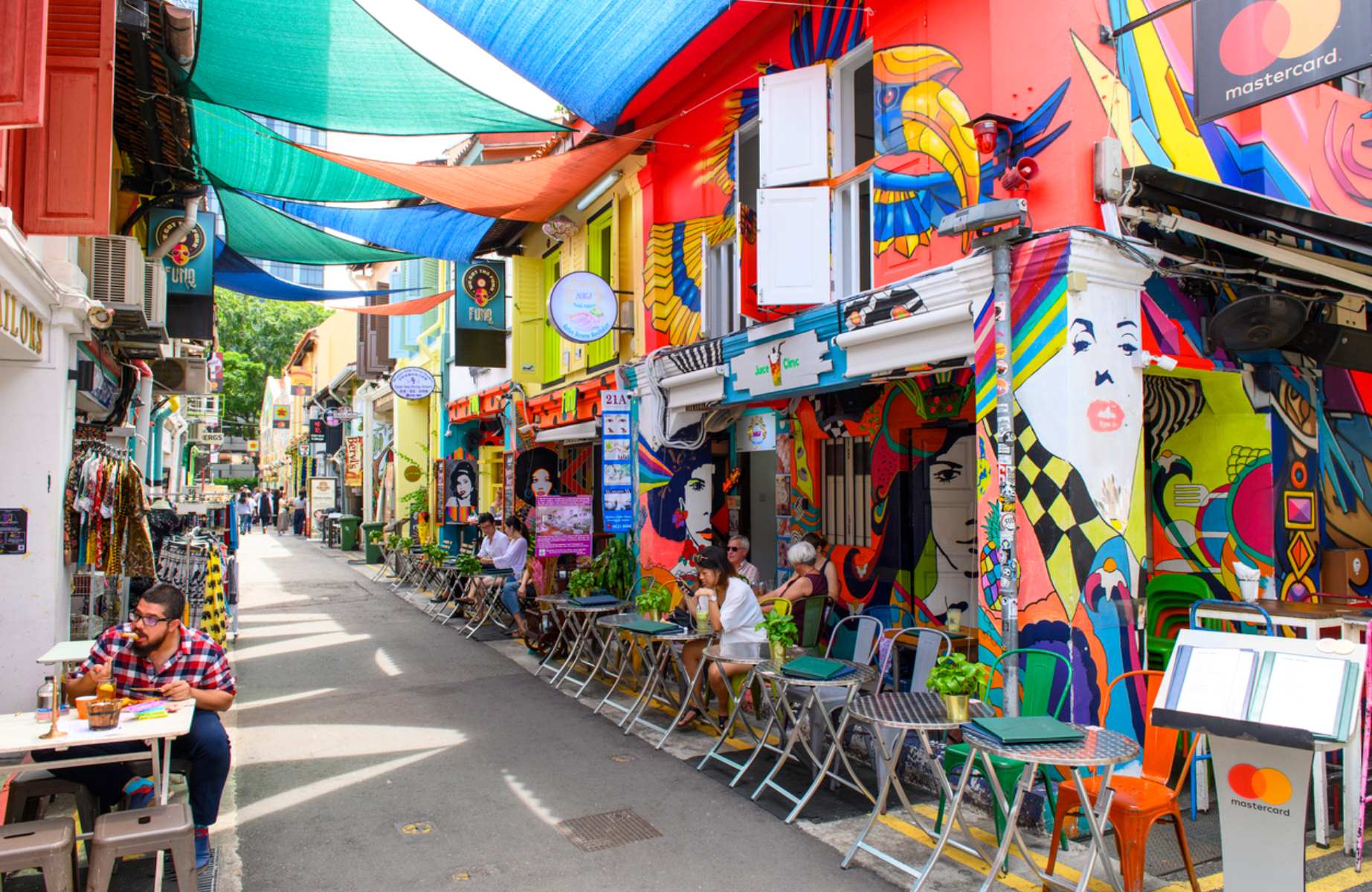
Singapore has long been defined by range. In 2026, Inspectors note greater deliberation across all levels of dining. Techniques once confined to tasting menus now appear in modest hawker stalls, while fine dining increasingly incorporates familiar flavors. Restaurants to note include Seroja, Nouri, Keng Eng Kee and Hill Street Tai Hwa Pork Noodle, where consistency and care for ingredients are evident across the spectrum.
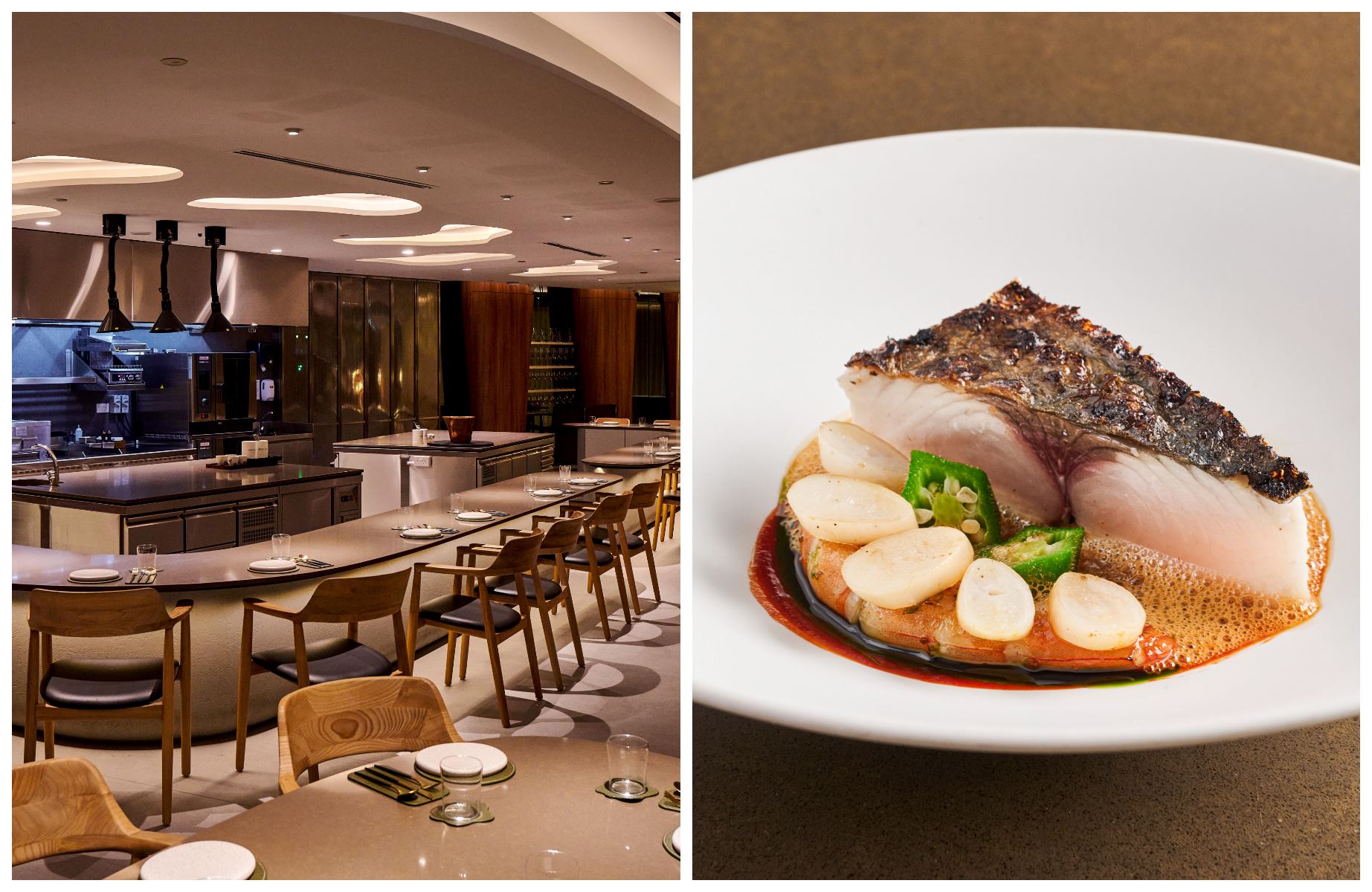
Traveler cues: Tiong Bahru and Chinatown balance heritage hawkers with modern restaurants. Reserve Seroja and Nouri early; Hill Street Tai Hwa Pork Noodle usually has queues but no reservations. While temperatures are warm throughout the year, December to early February offer cooler weather.
6. Penang: Where Street Stalls Meet Heritage Kitchens
Penang’s hawker culture remains central to everyday life. Char koay teow, asam laksa, nasi kandar and Hokkien mee continue to anchor meals across the island. Inspectors also note a gradual expansion into destination dining, where heritage buildings and contemporary techniques converge. Peranakan cuisine is gaining renewed visibility at Sifu, while restaurants such as Peninsula House and Sood by Chef Thitid “Ton” Tassanakajohn combine restored pre-war architecture with modern menus.

Fine dining here has roots in local identity. At Au Jardin, which opened in 2018 in a former bus depot, Chef Kim Hock Su blends French technique with Penang’s multicultural flavors. From river prawns paired with chile crab caviar to Cameron Highlands beets salt-baked and finished with horseradish emulsion, each dish reflects both precision and local provenance. Even his inventive thosai — a bread-like creation served with a tomato-curry chutney — transforms a familiar staple into an expression of Penang’s diverse culinary heritage.
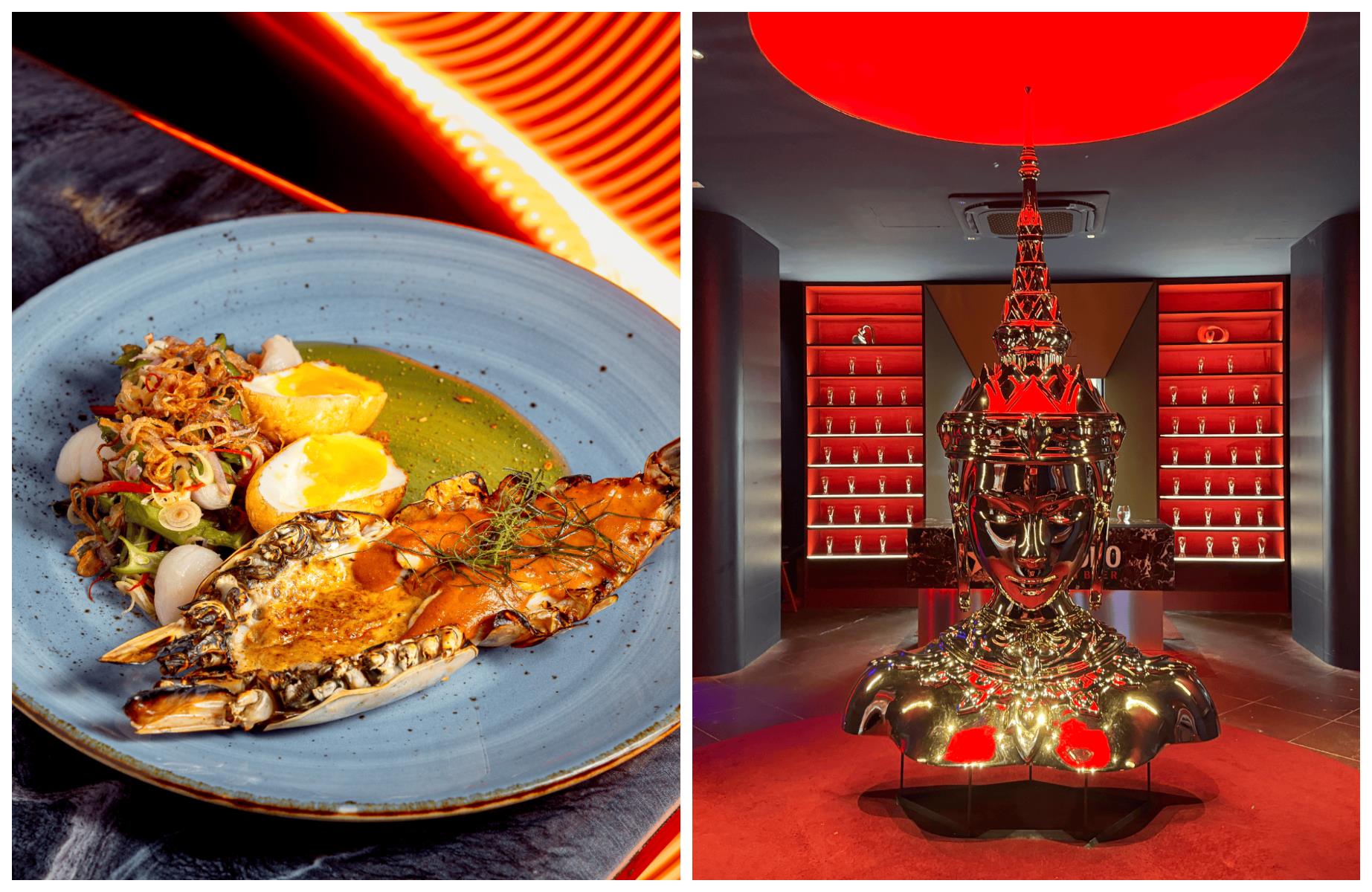
Traveler cues: George Town is the natural base. Hawker stalls are best visited early in the morning, while restaurants book out on weekends. Visit between December and February for drier weather, when exploring both morning markets and heritage dining rooms is easiest.
7. Bangkok: Where Thai Provincial Roots Inspire Citywide Innovation
Bangkok is seeing renewed attention to provincial recipes and local supply chains. Menus increasingly credit farmers and ingredient origins, reflecting a culinary culture rooted in both locality and seasonality.
Restaurants such as Wana Yook (One Star) revisit the classic samrab, a traditional Thai multicourse communal set meal, with a fresh perspective, Etcha (One Star) applies contemporary structure to Thai-led tasting menus, and Sühring (Three Stars) continues to showcase Bangkok’s strength in German fine dining. Together these currents allow travelers to experience both heritage-driven Thai cuisine and internationally influenced formats within one city.
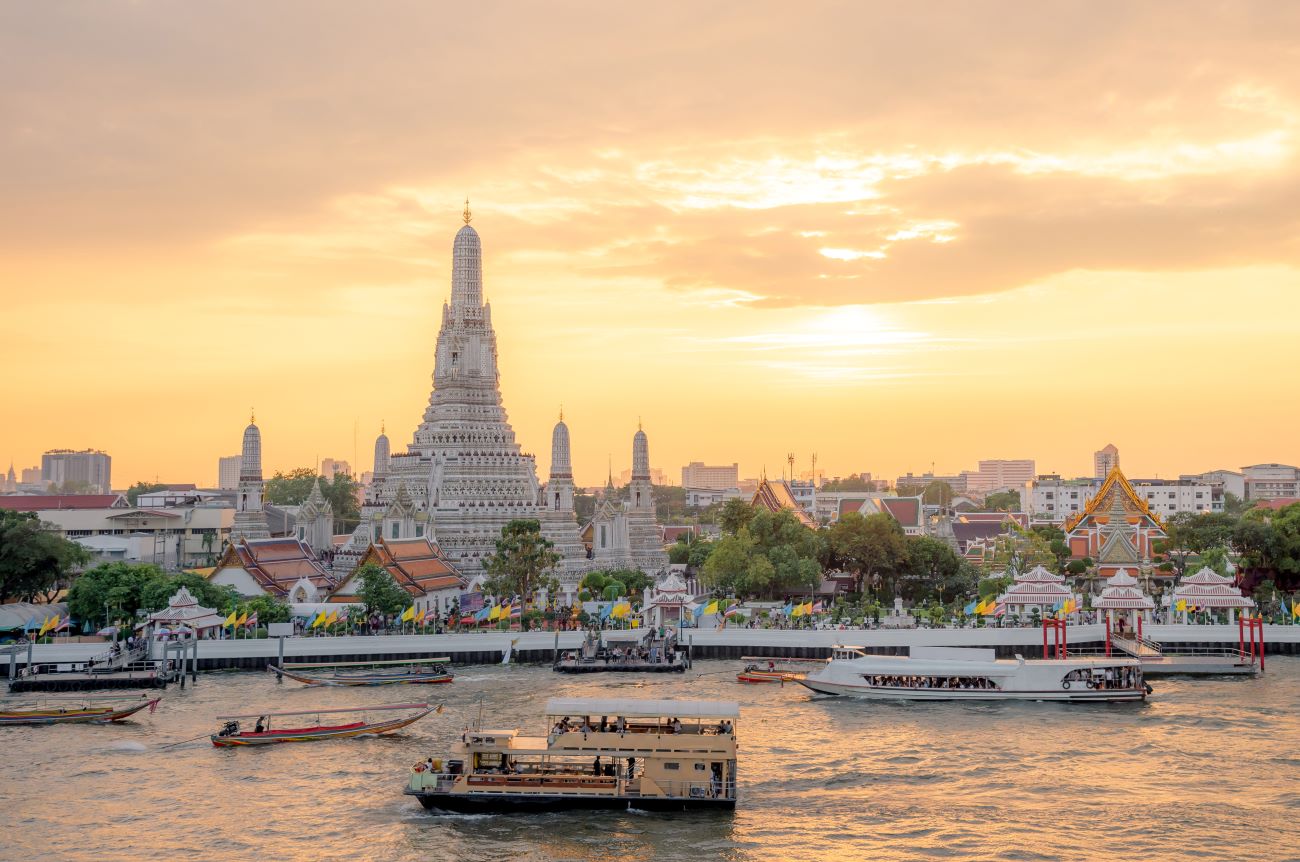
Bangkok itself is a mix of bustling neighborhoods, historic temples and modern skyscrapers, and its food culture mirrors this diversity. Street food thrives alongside high-end tasting menus, giving visitors a full spectrum of flavors from early morning markets to late-night eateries.
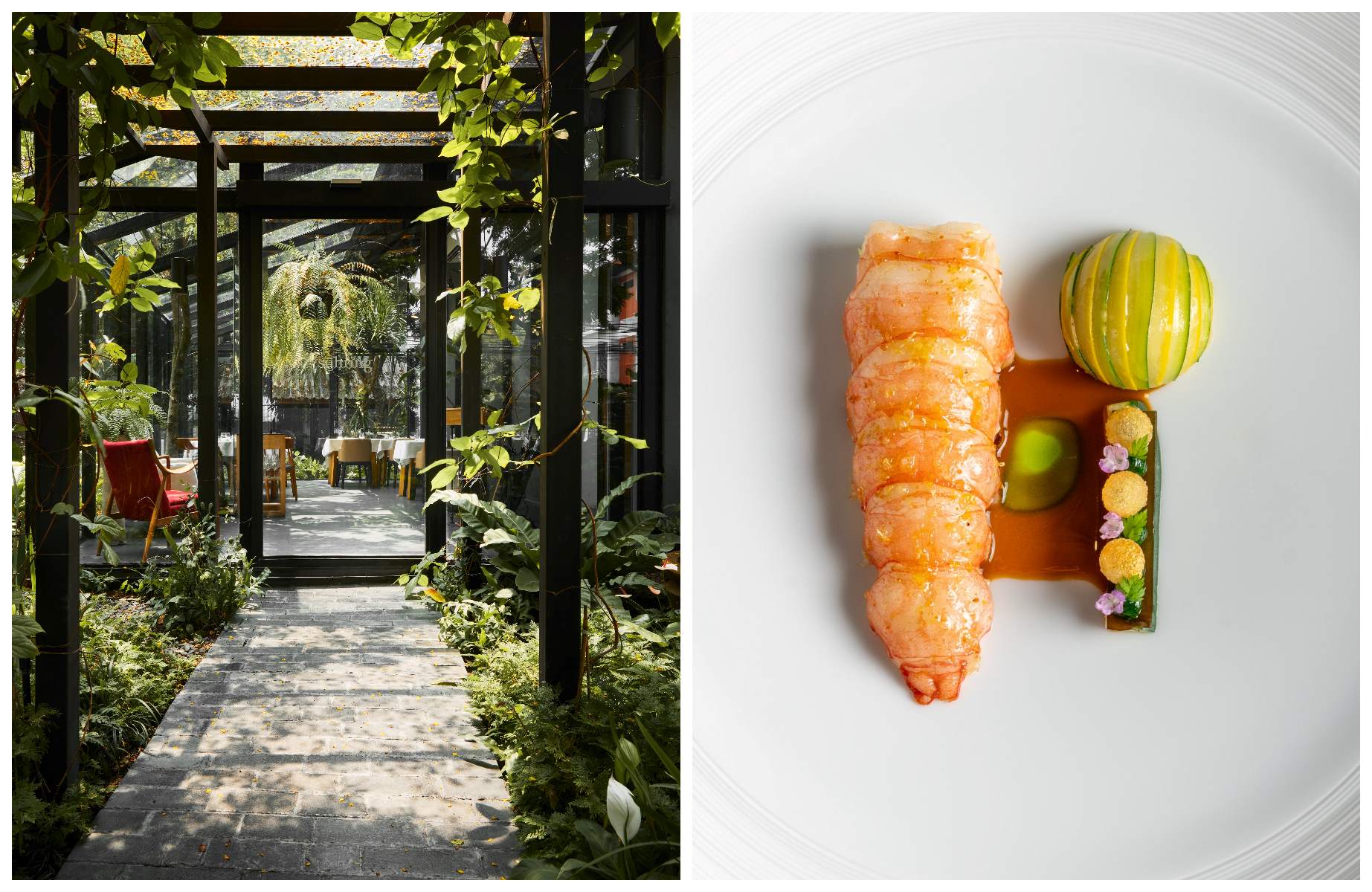
Traveler cues: Sathon and Sukhumvit house most fine-dining restaurants; Chinatown offers the best late-night street food. Book Sühring well in advance. November to February offers cooler evenings, lower humidity and peak seasonal ingredients.
8. Ho Chi Minh City: Where Street-Level Flavors Meet Seasonally Driven Creativity
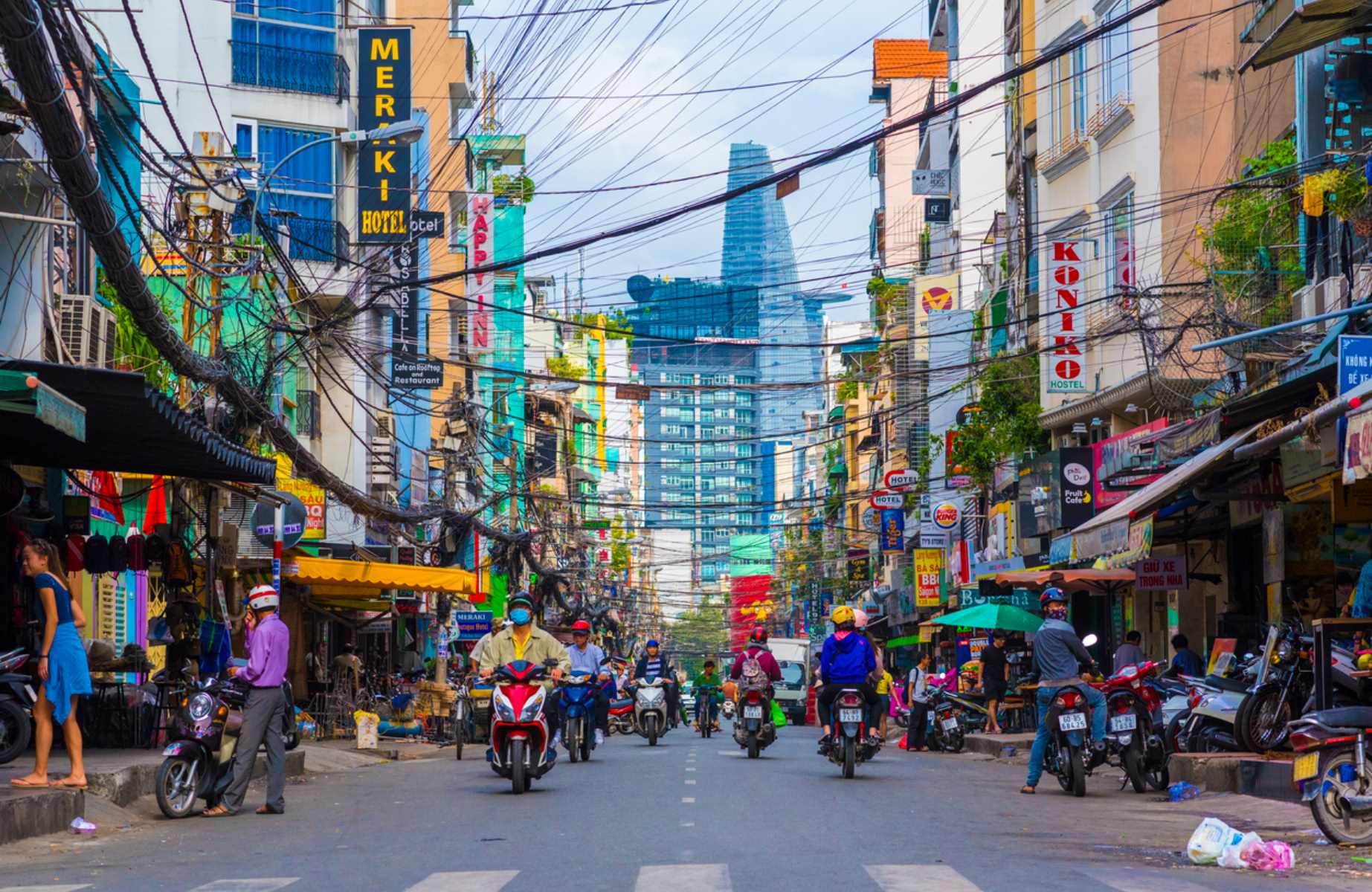
Ho Chi Minh City is riding a wave of ingredient-focused Vietnamese cuisine. Young chefs are shaping menus around seasonality while keeping formats approachable, blending contemporary techniques with familiar flavors.
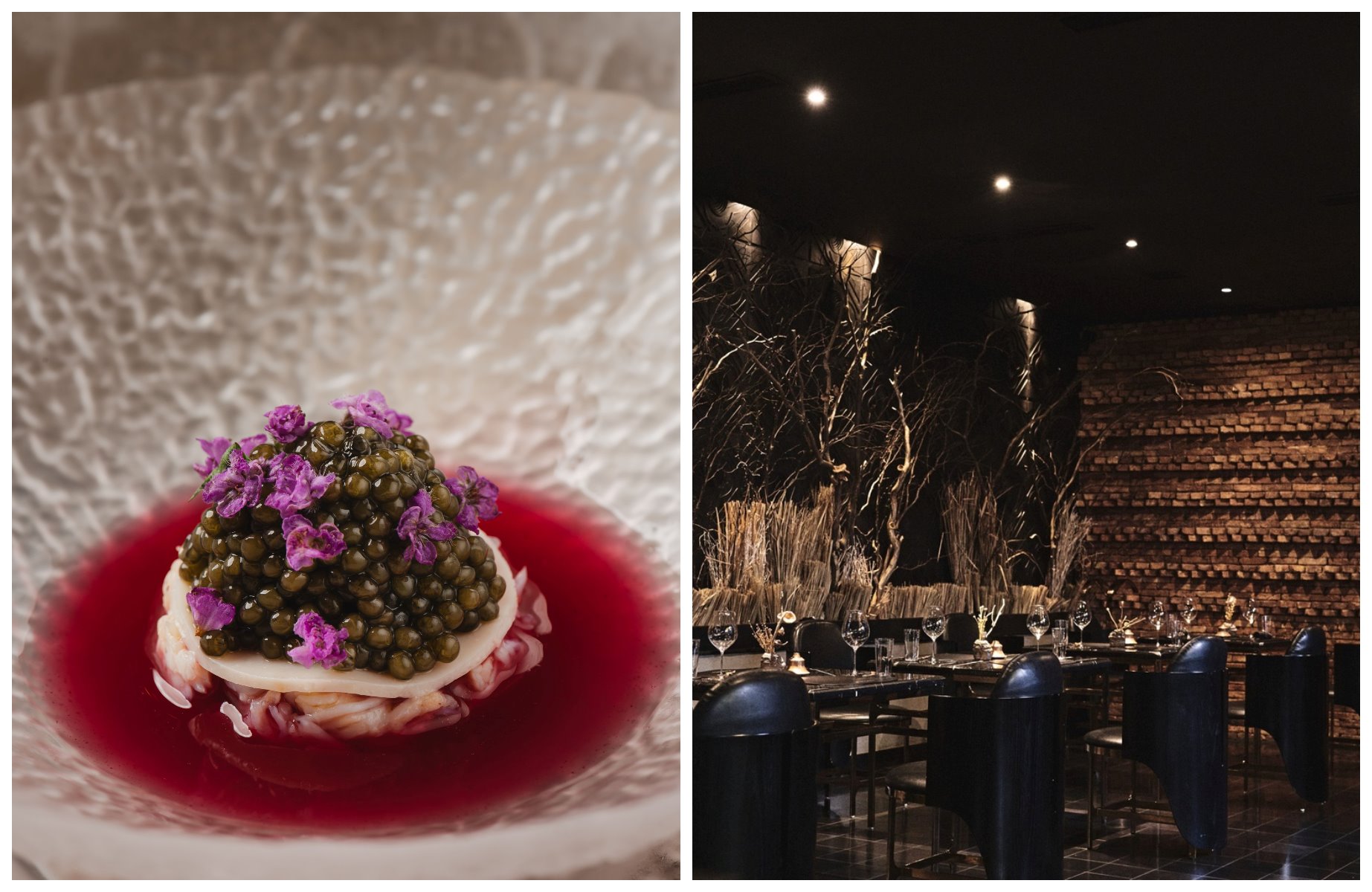
One-Starred CieL applies modern approaches to Vietnamese ingredients, while ST25 by KOTO by Chef Jimmy Pham showcases Vietnam’s rice culture through rice-based dishes, and One-Starred CoCo Dining delivers refined interpretations of local classics and fishing traditions while honoring the street food culture that remains central to daily life.
The city itself is a sensory overload: scooters, neon signs and bustling markets give way to quiet streets where pho stalls and coffee shops anchor local routines. District 1 is where you’ll find most MICHELIN restaurants, while District 3 rewards visitors seeking strong local dining and emerging contemporary concepts.
Traveler cues: Book CieL in advance; CoCo Dining can also fill up on weekends. December to April brings drier weather and peak market produce.
9. Tokyo: Where Centuries-Old Traditions Meet Unmatched Culinary Diversity
Tokyo is the place to be for food lovers. From humble yakitori joints serving skewered grilled chicken to multicourse kaiseki feasts, dishes are prepared with care and respect for seasonal ingredients. The city’s culinary range isn’t limited to Japanese cuisine — phenomenal Italian, refined Chinese and genre-defying French are woven into the city’s landscape.
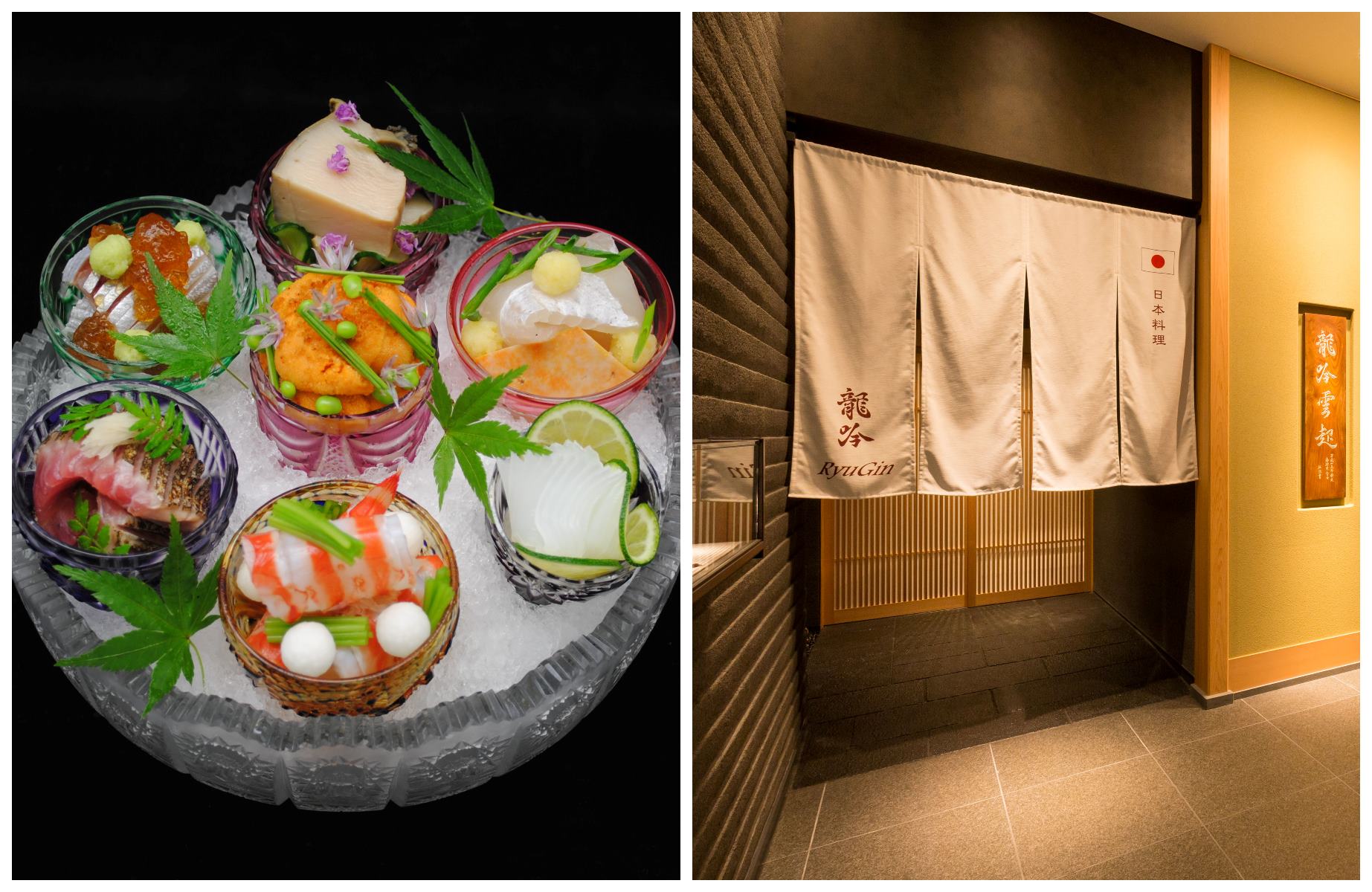
Tokyo remains the world’s most MICHELIN-Starred city, spanning 37 culinary categories. Rather than following a single trend, cuisines evolve side by side — from Edo-period sushi, tempura, soba and eel to contemporary Japanese and international dining. Restaurants such as RyuGin (Three Stars), Sazenka (Three Stars) and L’Effervescence (Three Stars) show how technique, cross-cultural dialogue and sustainability now coexist at the highest levels.
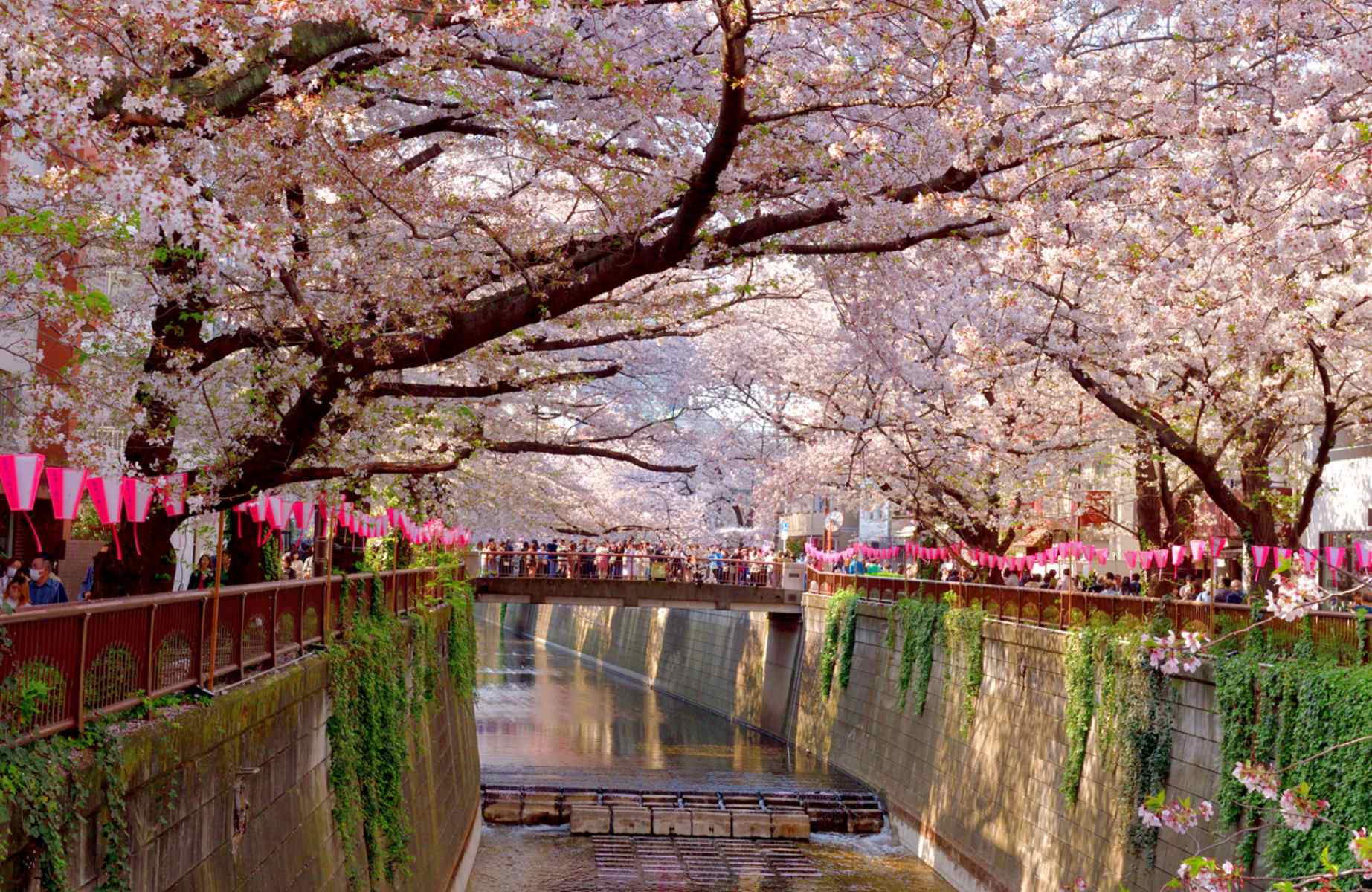
For travelers, this translates into an unmatched range across neighborhoods and price points. Central areas such as Ginza, Aoyama and Nishi-Azabu anchor many of the city’s high-end tasting menus and sushi counters, while across the city, beyond the high-end districts, travelers can encounter more casual, offbeat exploration. Even as tourism swells — and once-quiet ryokan neighborhoods now feel overrun — Tokyo continues to offer discovery and excellence for those who know where to look.
Traveler cues: Reserve top sushi counters and tasting menu restaurants weeks in advance. Seasonality is deeply reflected in the ingredients used throughout the year. For exploring neighborhoods on foot, spring and autumn are especially pleasant, offering noticeable shifts in atmosphere and scenery.
Hero image: A restaurant chef in Japan. © DragonImages/iStock
Words: MICHELIN Guide editors Patrick Chew, Rooksana Hossenally, Ming Ling Hsieh, Hyo-Won Lee, Pruepat Songtieng, Suma Wakui, Mikka Wee.